Oracle Cheat Sheet

Oracle Logo
Oracle is one of the most popular relational database management systems in the world, used by many organizations to store and manage their data. SQL is the standard language used to interact with Oracle databases, allowing users to retrieve, modify, and manipulate data. However, even experienced Oracle users may need a quick reference guide for frequently used SQL commands. In this blog post, we’ll provide a cheat sheet of commonly used Oracle SQL commands that can help you write more efficient and effective SQL queries.
SELECT
The SELECT statement is used to retrieve data from one or more tables.
SELECT column1, column2, ...
FROM table_name;
WHERE
The WHERE clause is used to filter data based on certain criteria.
SELECT column1, column2, ...
FROM table_name
WHERE condition;
GROUP BY
The GROUP BY clause is used to group rows that have the same values.
SELECT column1, COUNT(column2)
FROM table_name
GROUP BY column1;
ORDER BY
The ORDER BY clause is used to sort the results in ascending or descending order.
SELECT column1, column2, ...
FROM table_name
ORDER BY column1 DESC;
JOIN
The JOIN clause is used to combine rows from two or more tables based on a related column.
SELECT column1, column2, ...
FROM table1
JOIN table2
ON table1.column = table2.column;
INSERT
The INSERT statement is used to insert new rows into a table.
INSERT INTO table_name (column1, column2, ...)
VALUES (value1, value2, ...);
UPDATE
The UPDATE statement is used to modify existing rows in a table.
UPDATE table_name
SET column1 \= value1, column2 \= value2, ...
WHERE condition;
DELETE
The DELETE statement is used to delete existing rows from a table.
DELETE FROM table_name
WHERE condition;
Whether you’re a beginner or an experienced Oracle user, having a quick reference guide for commonly used SQL commands can save you time and improve your productivity. In this blog post, we’ve provided a cheat sheet of frequently used Oracle SQL commands, including SELECT, WHERE, GROUP BY, ORDER BY, JOIN, INSERT, UPDATE, and DELETE. While this is not an exhaustive list of all SQL commands, it covers many of the fundamental commands that every Oracle user should be familiar with. By mastering these commands, you’ll be able to write more efficient and effective SQL queries, and make the most of your Oracle database.

> Written by
Emdadul Islam
Software Engineer. View profile →
Read more

How to Deploy an AI Agent with Amazon Bedrock AgentCore
Deploy AI agents with Amazon Bedrock AgentCore for scalable configuration on AWS, integrating with frameworks like LangGraph and CrewAI
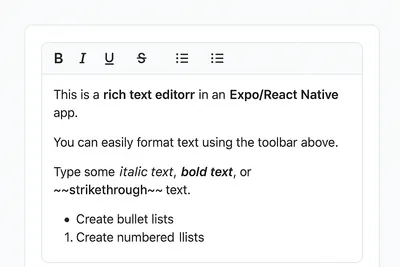
How to Add a Native Rich Text Editor in Expo / React Native (No WebView)
Use expo-rte for a native rich text editor in Expo/React Native, offering cross-platform, customizable, native performance without WebView

How to Implement Multi-Factor Authentication (MFA) with TOTP in Your Web Application
Learn to implement Multi-Factor Authentication (MFA) with Time-based One-Time Password (TOTP) in your web application for enhanced security